The Spaces Between the Ribs — An Afternoon at the Virel Index
Story
The Spaces Between the Ribs — An Afternoon at the Virel Index
The afternoon sun climbed the ribs of the old library windows, past a row of brass joints that no one had polished in decades. Every time the wind turned, a faint complaint traveled through the glass. The scholars of Virel called it the window singing. Those who slept under the western viaduct called it something else: a warning that the sky road was too close.
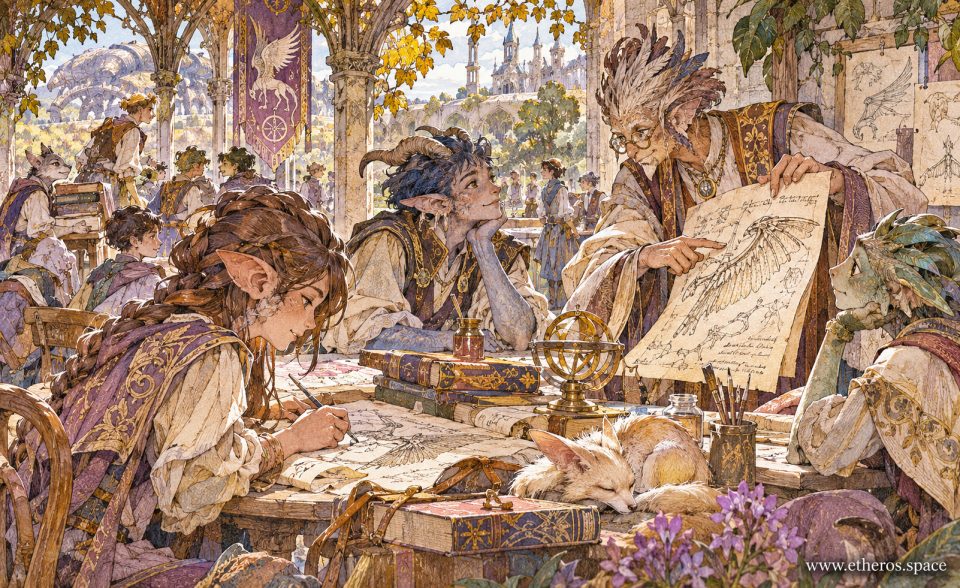
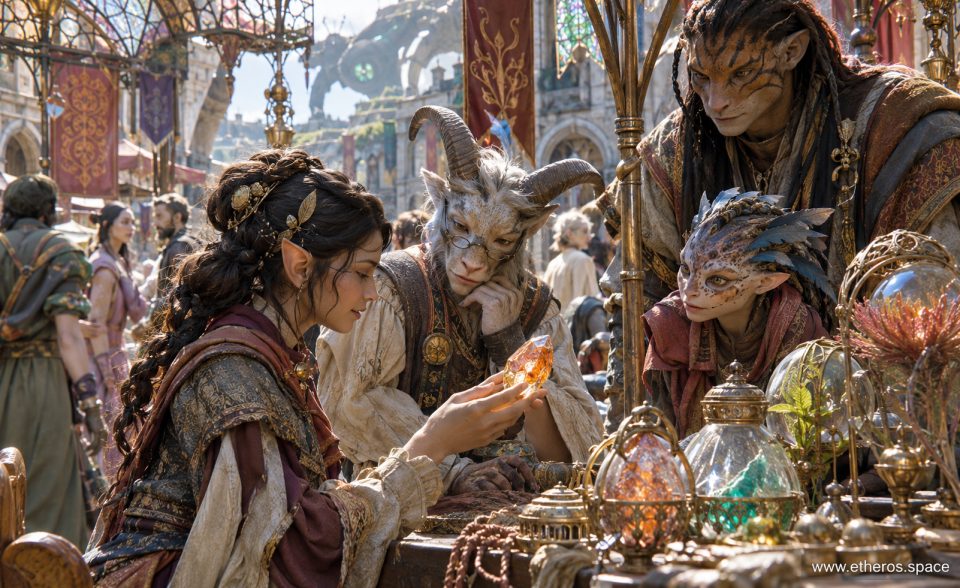
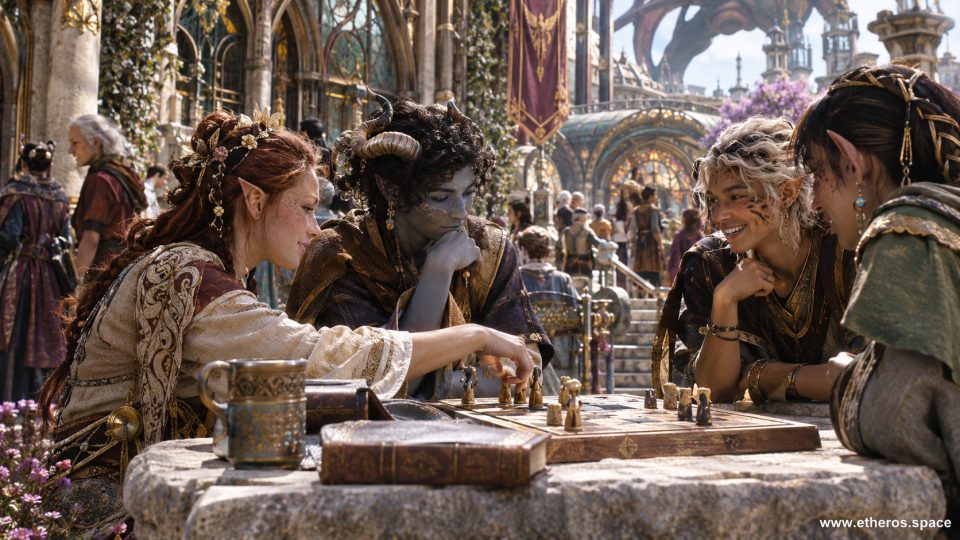
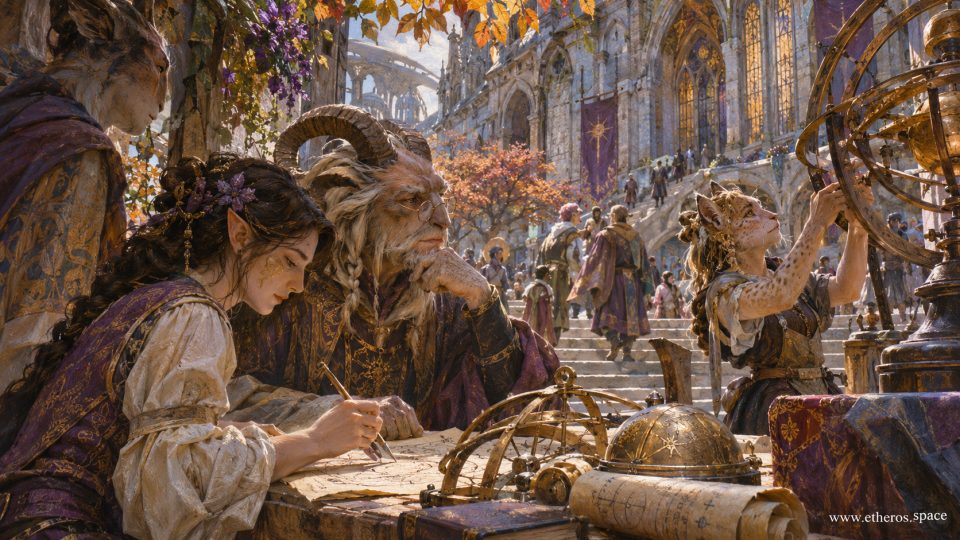
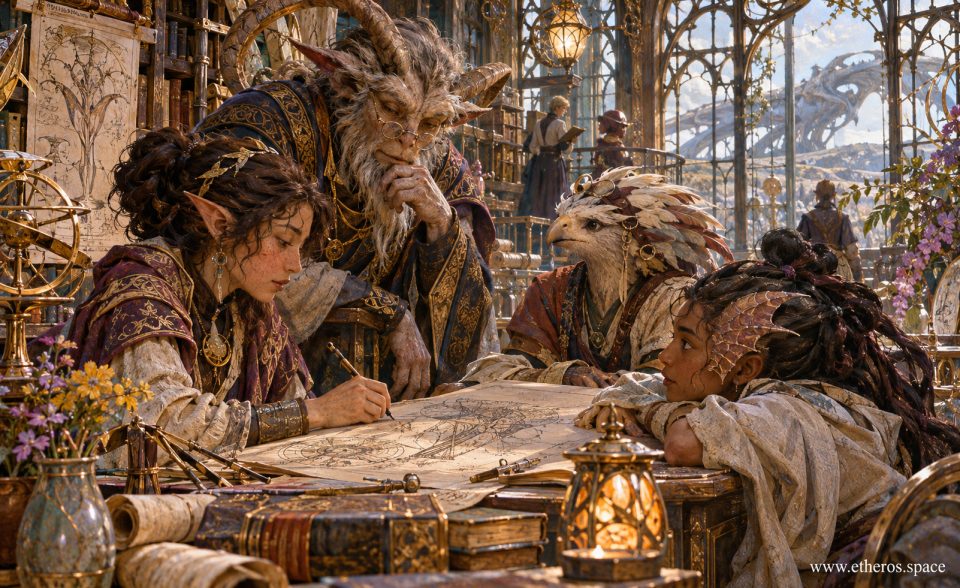
At the long oak table, Ilya Merrow held a pen above a drawing without letting its tip descend. The page showed a crossing of curved supports, nested hollows, and a path that opened toward the upper foothills. She had designed six versions since morning. In each, the arithmetic passed inspection. In each, the migrating glassfinches would have nowhere to settle.
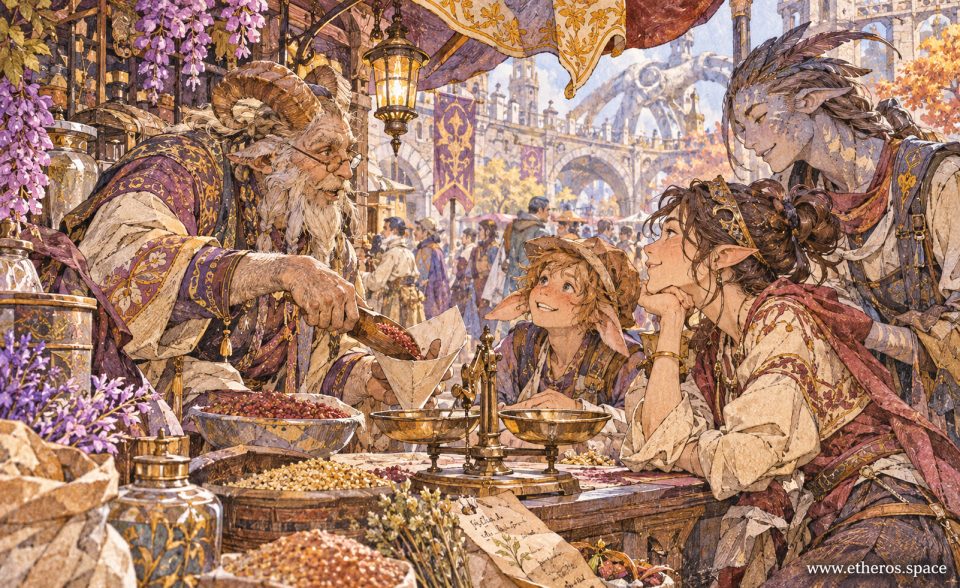
Her mentor, Orven Tal, had to bend his thick horned neck to read the minute ink. He carried the tired patience of someone who had inspected civic works for longer than many of the city's bridges had been standing. One hand rested on the table; the other steadied his spectacles. He studied the line where Ilya had made the road meet the garden wall.
"You've drawn a way across," he said. "Where do they stop?"
"They are birds. They can fly."
"So can the couriers," replied Vessa, an avian surveyor seated opposite them. Her feathered crest lifted slightly as she looked from Ilya to the chart. "Ask one to cross the northern cut without a landing, with a full message bag and a headwind. Wings need rest as much as feet do."
Beside Vessa, little Neri listened with her chin against her arms. A fine membrane patterned her temples and caught the sunlight where it passed through the windows. She was not yet old enough to be an apprentice at the Index, but she had spent years watching the creatures that gathered on the roof. She knew which ones rested on the painted railings, which ate the seeds from flowering lintels, and which never came back when the warm season ended.
"We had two nests there last year," she said, pointing near a tiny mark along the eastern arch. "Now the inspection crew hangs its warning lamps there. The lights stay hot even when the workers go home."
The adult scholars fell quiet. Their chart had carefully accounted for the weight of vehicles, stone, cable, and living girders. It had not accounted for a patch of warmth that could kill an egg.
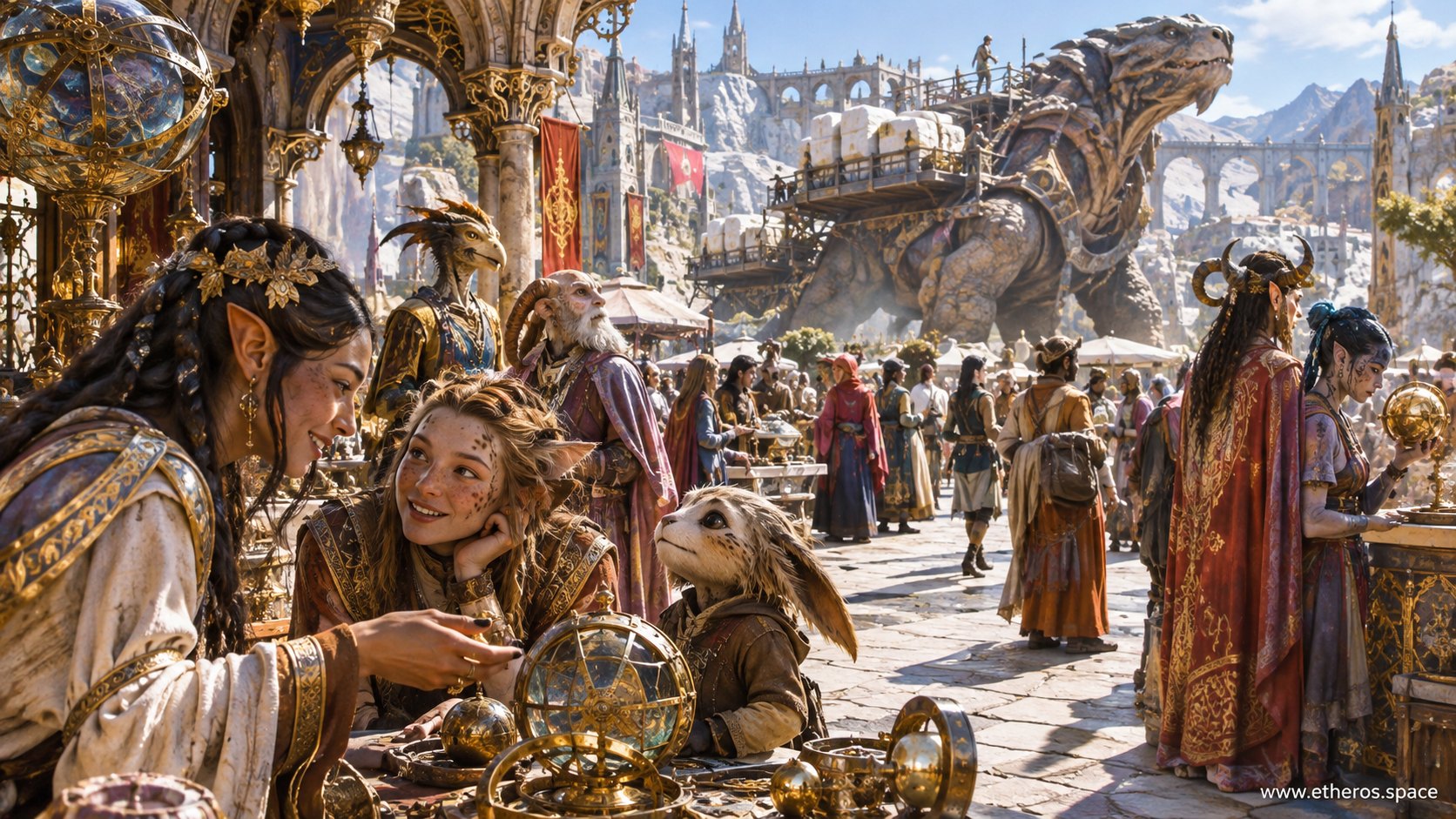
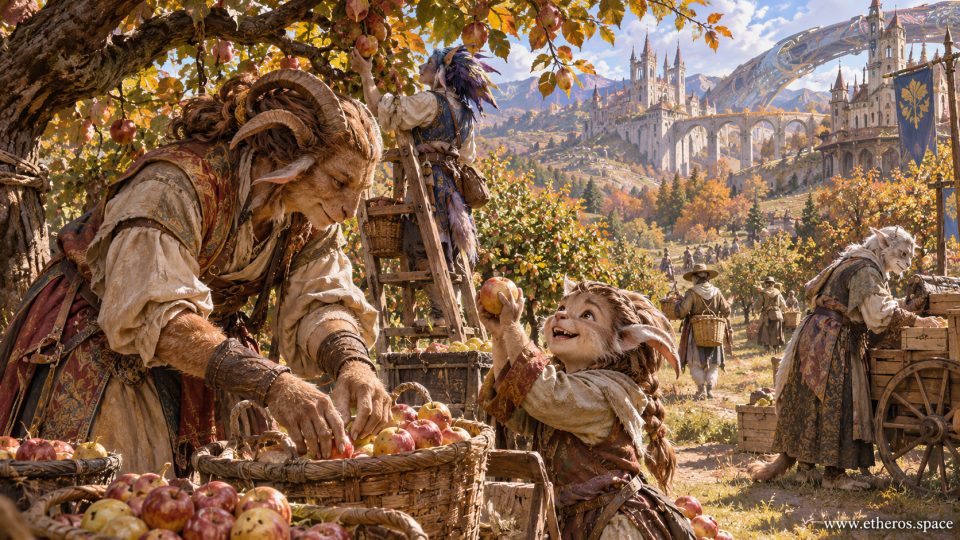
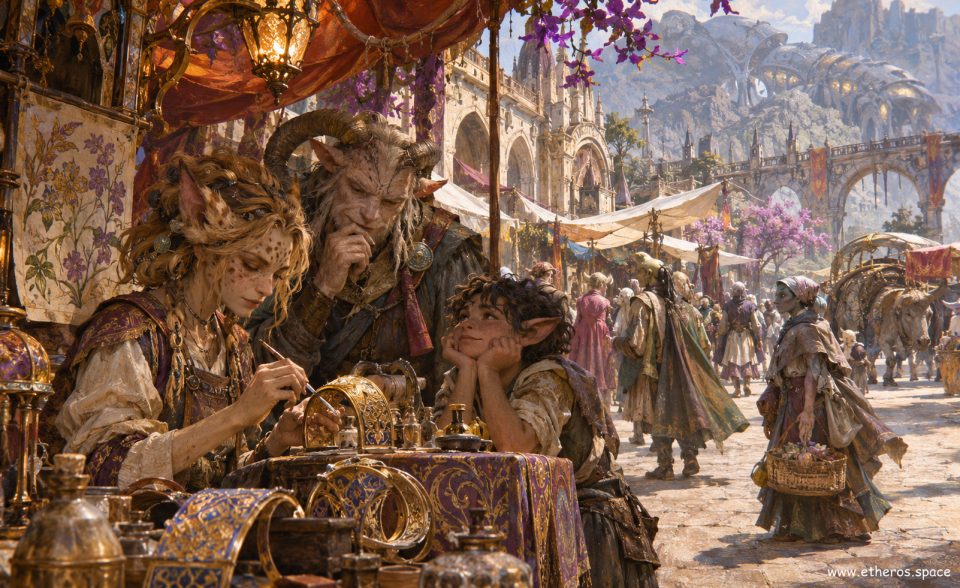
Beyond the tall windows rose the broken rhythm of the city. Walkways crossed the air between terraces, and a far, immense ribbed form seemed to curve behind the haze. From inside the library no one could reliably tell whether it belonged to a living carrier, a supporting arch, or the two technologies grown together. Below the glass, citizens moved along the passage with baskets, ledgers, and errands that had nothing to do with the meeting. The city would need its road by winter regardless of how the drawings ended.
Orven brought out the oldest volume in his keeping. The leather cracked softly when he opened it. Its pages described the first sky shelters built after the northern fire: not straight platforms, but shallow recesses in the structure, divided by lattices that took weight through the main spine while letting air and small bodies pass. They had once been dismissed as decorative extravagance. In the fire year, they had sheltered both birds and the children who brought them food.
Ilya set her pen down, then moved the paper until the afternoon light fell squarely across the failed section. Vessa lifted a measuring ring from a nearby rack and held it against the drawing. Neri marked each place she remembered seeing nests. None of this changed the required freight load; it changed where the load went. The road's outer shell could be carried by a deeper rib and an inner tendon, leaving a protected gap for air, seed drift, and landing places. The warmth of the signal lamps could be conducted back into a service channel instead of spilling into the nesting stone.
The design would need a second structural review. The freight foreman would complain about the maintenance access. The city accountant would ask why living creatures that paid no toll deserved their own ledges. Ilya could already hear every argument.
But now the drawing had an answer to a different question: what did a successful road allow the world to keep?
When the afternoon bell sounded, Orven did not praise the new version. He simply reached across the table and moved the lamp so its light would not fall in Neri's eyes. Vessa returned the measuring ring to its velvet case. The youngest observer went back to watching the windows, looking for the small, quick shadows that crossed them before the sun touched the roofs.
Ilya finally drew a line—not through the empty space, but around it. There would be room to land. The ink dried almost unnoticed while the great city continued its ordinary day.